
What are intestinal glands? Describe the roles of intestinal juices in digestion and absorption of food. (IAS 2022/20 Marks)
What are intestinal glands? Describe the roles of intestinal juices in digestion and absorption of food. (IAS 2022/20 Marks)

Introduction
Intestinal glands are specialized glands located in the walls of the small intestine that secrete intestinal juices. These juices play a crucial role in the digestion and absorption of food in the human body.
Intestinal Glands:
- The intestinal glands are specialized structures located within the walls of the small intestine.
- They are responsible for secreting digestive enzymes and other substances that aid in the digestion and absorption of food.
- The glands are located in the mucosa layer of the small intestine and are involved in both enzymatic breakdown and nutrient absorption.
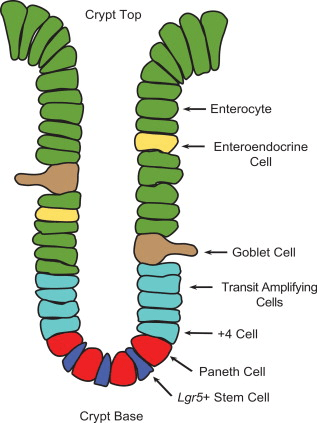
Types of Intestinal Glands:
- Crypts of Lieberkühn:
- These are the primary intestinal glands found in the mucosal lining of the small intestine.
- They secrete intestinal juices, which are vital for digestion and absorption.
- The crypts are responsible for producing digestive enzymes and mucus to facilitate smooth passage of food.
- Brunner's Glands:
- Located in the duodenum, Brunner's glands secrete alkaline mucus to neutralize stomach acids and protect the intestinal lining.
- Their secretion also provides a favorable pH for the enzymes in the small intestine to function optimally.
Roles of Intestinal Juices in Digestion and Absorption:
- Enzymatic Breakdown of Food:
- Intestinal juices contain enzymes that break down carbohydrates, proteins, and fats into simpler molecules.
- Carbohydrases (amylase): Break down carbohydrates into simple sugars (e.g., glucose).
- Proteases (e.g., pepsin, trypsin): Break down proteins into amino acids.
- Lipases: Break down fats into fatty acids and glycerol.
- Neutralization of Stomach Acid:
- The acidic chyme from the stomach enters the duodenum, and the alkaline mucus secreted by Brunner’s glands neutralizes this acidity.
- This helps protect the walls of the intestine from damage and creates an optimal pH for enzyme activity.
- Lubrication:
- The mucus in the intestinal juices lubricates the intestinal walls, preventing damage and aiding the movement of food along the digestive tract.
- It also facilitates the absorption process by maintaining the integrity of the villi and microvilli in the small intestine.
- Absorption of Nutrients:
- Intestinal juices contain bile, produced by the liver, which helps emulsify fats, making them easier for enzymes to digest and allowing for their absorption.
- The villi in the small intestine increase the surface area, aiding in the efficient absorption of nutrients, including sugars, amino acids, fatty acids, vitamins, and minerals into the bloodstream.
- Regulation of Digestive Process:
- Hormones like secretin and cholecystokinin (CCK) are released in response to the presence of food in the intestine, signaling the release of intestinal juices.
- These hormones help coordinate the digestive process by promoting the secretion of digestive enzymes and bile from the pancreas and liver, respectively.
Conclusion
Intestinal glands and their secretions play a vital role in the digestion and absorption of food in the human body. Their enzymes and bicarbonate ions work together to ensure efficient breakdown of nutrients and their subsequent absorption, ultimately providing the body with the essential nutrients it needs for proper functioning.