
Shell diversity in mollusca (IFS 2023/8 Marks)
Shell diversity in mollusca (IFS 2023/8 Marks)

Introduction:
Mollusca is a diverse phylum of invertebrate animals that includes a wide range of species, from snails and clams to octopuses and squids. One of the key features of mollusks is their shell, which serves as a protective covering for their soft bodies. The diversity of shells in mollusks is a reflection of the wide range of habitats and lifestyles that these animals occupy.
Shell Diversity in Mollusca
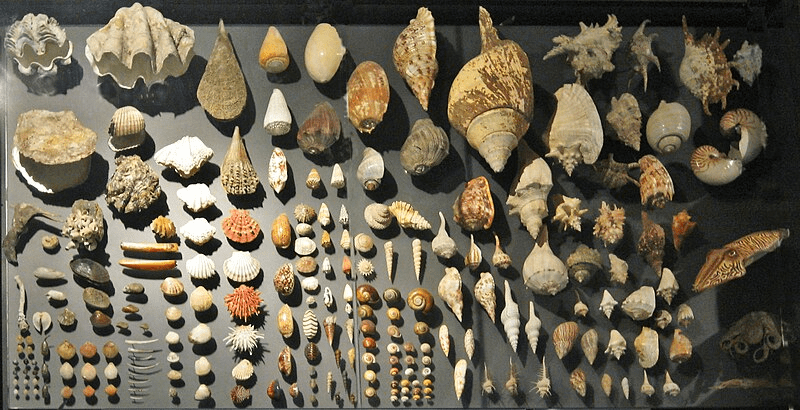
- Variations in Shell Shape
- Univalve Shells: Found in gastropods, these are typically single, coiled shells. Common in snails, the shells spiral around a central axis.
- Bivalve Shells: Present in clams, oysters, and mussels, these shells have two hinged parts, providing protection and allowing movement when opened slightly.
- Multivalve Shells: Seen in chitons, where the shell is divided into multiple plates (usually eight) along the dorsal side, offering flexibility and protection.
- Size Differences
- Microshells: Some mollusks, like certain species of gastropods, have tiny shells only a few millimeters long, allowing them to burrow or hide in small crevices.
- Large Shells: Giant clams and some marine snails have shells that can grow over a meter long, providing substantial protection and enhancing their visibility on the ocean floor.
- Structural Composition
- Calcareous Shells: Most mollusks, such as snails and clams, have shells primarily composed of calcium carbonate, which is strong and durable.
- Proteinaceous Layers: Shells also contain organic layers, like conchiolin, which provide flexibility and prevent brittleness, particularly in softer shell layers.
- Shell Texture and Ornamentation
- Smooth Shells: Many bivalves and gastropods have smooth, rounded shells that reduce friction and are helpful for burrowing or gliding.
- Ribbed or Spiny Shells: Some mollusks have ridges, spines, or ornamented shells that offer camouflage, deter predators, or help anchor them in substrates.
- Coloration and Patterns
- Camouflage Colors: Many shells have color patterns that mimic their surroundings, helping them avoid predators. For example, sandy-colored shells blend with ocean floors.
- Vibrant Colors: Some mollusks exhibit bright and colorful shells, possibly as a warning to predators or due to pigment production influenced by diet or habitat.
- Functional Modifications
- Operculum: Many gastropods possess a lid-like structure, the operculum, which acts as a protective door when the animal retracts into the shell.
- Pearl Formation: Some bivalves, like oysters, produce pearls as a defense mechanism against foreign particles, which get coated in nacre, adding to the shell’s uniqueness.
Conclusion:
The diversity of shells in mollusks is a testament to the adaptability and resilience of these animals. By studying the different types of shells found in mollusks, scientists can learn more about the evolutionary history and ecological roles of these fascinating creatures.