
Describe the perivisceral coelom and endoskeleton of Asterias. (IAS 2023/15 Marks Marks)
Describe the perivisceral coelom and endoskeleton of Asterias. (IAS 2023/15 Marks Marks)

Introduction:
Asterias, commonly known as the sea star, is a marine invertebrate belonging to the phylum Echinodermata. It has a unique anatomy that includes a perivisceral coelom and endoskeleton.
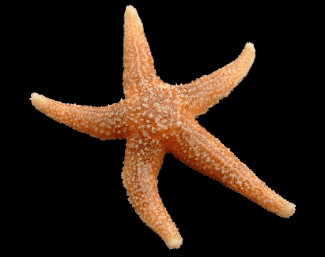
Perivisceral Coelom of Asterias
- Location and Definition: The perivisceral coelom is the main body cavity in Asterias (starfish), surrounding the internal organs.
- Function: Acts as a hydraulic system, aiding in movement, nutrient distribution, and waste removal.
- Lined by Mesothelium: The coelomic cavity is lined by mesothelial cells, which facilitate exchange and movement of fluids.
- Contains Coelomic Fluid: Filled with coelomic fluid, which contains amebocytes, providing defense and immunity functions.
- Compartments: Divided into three main regions – the perivisceral coelom, the water vascular system, and the perihæmal system.
- Circulation: The coelomic fluid is circulated by ciliary action and muscular contractions, aiding nutrient transport.
- Respiration: Functions in respiration by facilitating gas exchange through the dermal branchiae or papulae.
- Regeneration Support: Supports tissue regeneration by transporting cells and nutrients essential for regrowth.
Endoskeleton of Asterias
- Composition: Made up of calcareous ossicles embedded within the dermis, providing structure and support.
- Ossicles Arrangement: Ossicles are arranged in a loose network, allowing flexibility and movement.
- Spines and Tubercules: Surface is covered with spines and small projections (tubercules) for protection against predators.
- Mutable Collagenous Tissue (MCT): The endoskeleton is connected by MCT, which can change stiffness, aiding in flexibility and rigidity.
- Role in Movement: Works with the water vascular system, allowing coordinated movement of the arms.
- Pedicellariae: Small pincer-like structures on the endoskeleton that help in cleaning and capturing small prey.
- Protective Function: Provides structural defense against physical damage and predators.
- Adaptation for Regeneration: The skeletal system supports regrowth by forming a scaffold for regenerating tissues.
Conclusion:
The perivisceral coelom and endoskeleton of Asterias are essential components of its anatomy, providing support, protection, and functionality to this unique marine invertebrate. These structures play a crucial role in the sea star's ability to survive and thrive in its marine environment.