
Parasitic adaptations in Platyhelminthes. (IAS 2019/10 Marks)
Parasitic adaptations in Platyhelminthes. (IAS 2019/10 Marks)

Introduction
Parasitic adaptations in Platyhelminthes, commonly known as flatworms, are fascinating examples of evolutionary strategies that have allowed these organisms to thrive in parasitic lifestyles. Platyhelminthes exhibit a wide range of adaptations that enable them to successfully parasitize their hosts and ensure their survival and reproduction.
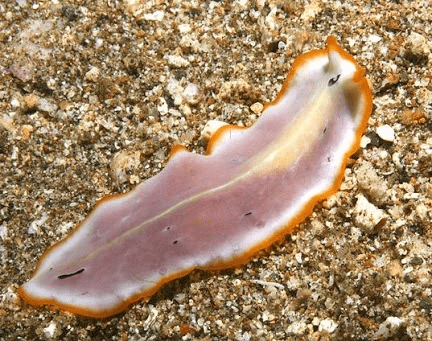
Fig: Platyhelminthes
Parasitic Adaptations in Platyhelminthes
Structural Adaptations
- Loss of Digestive System: Many parasitic Platyhelminthes, especially cestodes (tapeworms), have lost their digestive systems entirely. Instead of digesting food, they absorb nutrients directly through their body surface. For example, the tegument of tapeworms allows them to absorb digested nutrients from the host's intestine.
- Body Shape and Flattened Structure: Parasitic flatworms are dorsoventrally flattened, which increases their surface area for absorption and aids in fitting within narrow host tissues, such as the intestine (e.g., Taenia species).
- Attachment Organs: Parasitic flatworms possess specialized attachment organs such as suckers, hooks, or adhesive pads to firmly attach themselves to host tissues. For example, Fasciola hepatica (liver fluke) has oral and ventral suckers for attachment, while Taenia solium (pork tapeworm) has hooks and suckers on its scolex (head) to anchor itself to the intestinal wall.
Physiological Adaptations
- Protective Tegument: Parasitic flatworms have a thick, non-ciliated tegument that protects them from the host's immune responses and digestive enzymes. This tegument is also highly efficient in nutrient absorption, as seen in tapeworms.
- Anaerobic Metabolism: Most parasitic Platyhelminthes rely on anaerobic metabolism due to the low oxygen availability in the host’s intestines or tissues. This metabolic adaptation allows them to survive in oxygen-deficient environments.
- Complex Life Cycles: Many parasitic flatworms, such as Schistosoma (blood flukes), have complex life cycles that involve multiple hosts (definitive and intermediate). This adaptation increases their chances of successful transmission from one host to another, ensuring the survival of their species.
Reproductive Adaptations
- High Reproductive Capacity”: Parasitic Platyhelminthes exhibit a highly developed reproductive system, with most species being hermaphroditic. This enables self-fertilization or cross-fertilization, ensuring prolific reproduction even when a single parasite infects a host. For instance, Fasciola hepatica can produce thousands of eggs to enhance the chance of finding a suitable host.
- Production of Resistant Eggs: Parasitic flatworms lay eggs with tough, resistant shells that can survive harsh environmental conditions outside the host. These eggs can remain viable in soil or water for long periods, increasing the likelihood of transmission.
Behavioral Adaptations
- Host Manipulation: Some parasitic flatworms are known to alter the behavior of their intermediate hosts to enhance their transmission to the definitive host. For example, Dicrocoelium dendriticum (lancet liver fluke) alters the behavior of ants, causing them to climb to the top of grass blades, making them more likely to be eaten by grazing animals.
Conclusion
The parasitic adaptations seen in Platyhelminthes are a result of millions of years of evolution and have allowed these organisms to successfully exploit a wide range of hosts. Studying these adaptations not only provides insights into the biology of these fascinating organisms but also has important implications for understanding host-parasite interactions and developing strategies for controlling parasitic infections.