
Critically analyse India's evolving diplomatic, economic and strategic relations with the Central Asian Republics (CARs) highlighting their increasing significance in regional and global geopolitics. (UPSC GS 2 2024/10 Marks)
Critically analyse India's evolving diplomatic, economic and strategic relations with the Central Asian Republics (CARs) highlighting their increasing significance in regional and global geopolitics. (UPSC GS 2 2024/10 Marks)

Introduction:
India's relations with the Central Asian Republics (CARs) have been evolving over the years, with a focus on enhancing diplomatic, economic, and strategic ties. The CARs, comprising Kazakhstan, Kyrgyzstan, Tajikistan, Turkmenistan, and Uzbekistan, hold significant importance for India in terms of energy resources, connectivity, and regional stability.
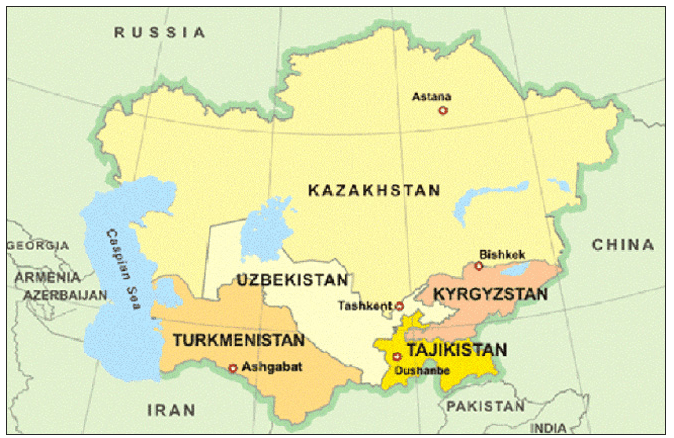
India's Evolving Diplomatic, Economic, and Strategic Relations with the Central Asian Republics (CARs)
- Diplomatic Engagement
- Historical Ties and Shared Culture: India and CARs share cultural and historical links through the Silk Road and Mughal connections. Since their independence in the early 1990s, India has prioritized building strong diplomatic ties with the region.
- India-Central Asia Dialogue: Institutionalized mechanisms such as the India-Central Asia Dialogue foster engagement on political and strategic issues, focusing on regional security, trade, and development cooperation.
- Economic Relations
- Trade and Connectivity: The main challenge has been the lack of direct connectivity, but initiatives like the International North-South Transport Corridor (INSTC) and the Ashgabat Agreement aim to improve trade routes through Iran and the Caspian Sea. India's investment in projects like Chabahar Port in Iran is crucial for enhancing connectivity with Central Asia.
- Energy Cooperation: CARs are rich in energy resources, particularly Turkmenistan with its vast natural gas reserves. India has shown interest in projects like the Turkmenistan-Afghanistan-Pakistan-India (TAPI) pipeline to diversify its energy supply.
- Strategic Relations
- Security and Counterterrorism Cooperation: India’s strategic interests in CARs are shaped by shared concerns over terrorism, extremism, and drug trafficking, given the region's proximity to Afghanistan. India's military and strategic ties, especially through forums like the Shanghai Cooperation Organization (SCO), provide a platform for addressing common security threats.
- Balancing Regional Powers: India’s presence in CARs serves as a counterbalance to the influence of China and Russia in the region. This diversification strengthens India's geopolitical standing, especially through soft power initiatives like education and cultural exchange.
Increasing Significance of Central Asian Republics in Regional and Global Geopolitics
- Energy Security
- CARs, especially Turkmenistan, Kazakhstan, and Uzbekistan, are critical for global energy security due to their abundant natural gas and oil resources. They attract the interest of regional powers like Russia, China, and Europe, making energy cooperation a strategic priority.
- Geopolitical Importance in Eurasia
- Strategic Location: CARs are located at the crossroads of Eurasia, connecting Europe and Asia. Their geographic positioning makes them pivotal in major trade and energy corridors such as the Belt and Road Initiative (BRI) and the INSTC.
- Great Power Competition: The region is a stage for geopolitical competition between Russia, China, and the U.S., each vying for influence. China's BRI has expanded its economic influence, while Russia retains security ties through the Collective Security Treaty Organization (CSTO). India's role is seen as balancing this influence while maintaining strategic autonomy.
- Security Concerns
- Afghanistan’s Stability: Central Asia's security is closely tied to developments in Afghanistan. The region is vulnerable to spillover effects from Afghan instability, including terrorism, drug trafficking, and refugee flows. India's involvement in security frameworks like the SCO and bilateral defense cooperation with CARs highlights the importance of regional security.
- Multilateral Cooperation
- SCO and Regional Stability: As a member of the SCO, India contributes to regional stability and security dialogues. The organization addresses transnational issues such as extremism, terrorism, and border security, which are crucial for both India and CARs.
- Economic Integration Initiatives: Beyond energy, multilateral projects like the INSTC and the Ashgabat Agreement enhance connectivity and trade integration between India and CARs, reinforcing their role in the broader geopolitical landscape
Conclusion:
India's evolving relations with the Central Asian Republics reflect a growing recognition of the region's importance in India's foreign policy calculus. By deepening diplomatic, economic, and strategic ties with the CARs, India aims to enhance its influence in the region, secure access to energy resources, and promote regional stability and connectivity.